Navigating the Future: Innovative Surgical Techniques in Oncology for Enhanced Cancer Care
In the ever-evolving landscape of oncology, a silent revolution is taking place. As cancer diagnoses rise globally, so does the need for innovative treatment options. Advanced surgical techniques are seizing the spotlight, promising to shift the paradigm of cancer care. The question is, how can these cutting-edge strategies enhance the overall experience and outcome for cancer patients? From laparoscopic surgery for cancer to personalized cancer treatment plans, let’s delve into how these advancements are reshaping malignancy treatment around the world.
Surgical oncology, often considered the backbone of cancer intervention, has seen remarkable innovations in recent years. Think back to a time when major surgeries required long hospital stays and extensive recovery time. Today, we are ushered into an era where neoplasm surgery can be performed using minimally invasive techniques. Imagine a patient walking out of the hospital a few days after a significant tumor excision, rather than being confined to a hospital bed for weeks. This leap in technology is revolutionizing how we approach cancer operations, allowing not just for quicker recoveries but also for better post-operative cancer care.
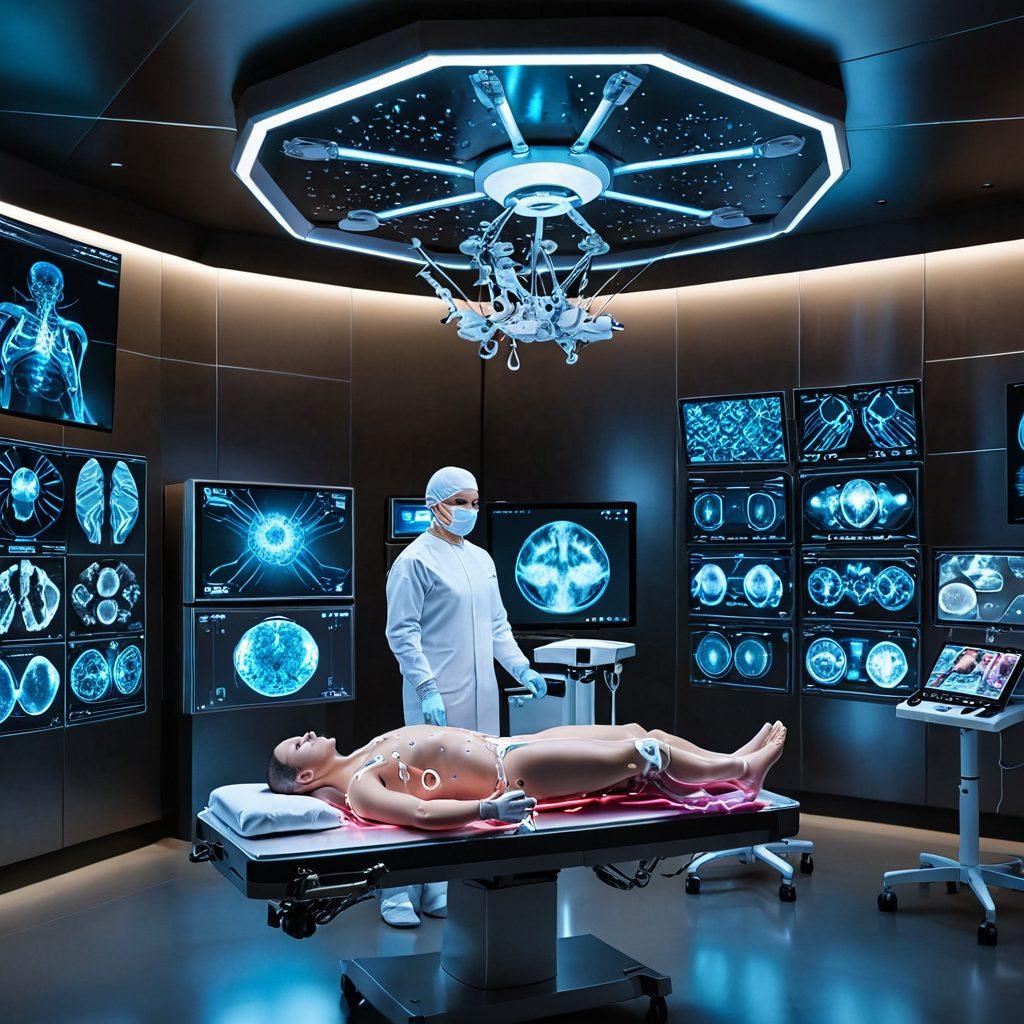
Interestingly, one of the cornerstones of these advancements is the focus on equipped surgical facilities. These state-of-the-art environments support the latest surgical instruments and imaging technologies, enabling a versatile range of oncological procedures. Picture a surgical room buzzing with skilled professionals, all using advanced cancer therapies to combat the toughest forms of cancer. The integration of radiation oncology and chemotherapy alternatives, tailored to individual patient needs, represents a new wave of holistic cancer patient support.
It’s crucial to highlight that innovation in oncology procedures extends beyond the operating table. Personalized cancer treatment also includes the holistic support patients receive throughout their journey. After a cancer operation, patients can find peace of mind knowing they have ongoing palliative cancer care. This patient-centered approach encourages healing and ensures that every aspect of a cancer patient’s life is considered. Can you imagine the relief felt by a patient knowing they have a dedicated team focused solely on their recovery?
As we look ahead, the future of surgical care for cancer patients appears promising. The role of advanced surgical techniques is not just about saving lives; it’s about reclaiming the quality of life that is often lost during the arduous journey of cancer. With ongoing advancements in clinical oncology, the horizon looks bright for those battling cancer. What innovative cancer techniques will emerge next? As we embrace this journey, the narrative of cancer diagnosis transforms from one of despair to one of hope and resilience, making every step toward recovery count.
From Tumor Excision to Personalized Treatments: Innovations Shaping the Future of Cancer Interventions
The landscape of oncology is changing, and with it, the lives of countless cancer patients. The surge of innovative surgical techniques is dramatically shifting how we approach tumor excision and malignancy treatment. Imagine a world where surgical oncology not only involves removing cancerous tissue but also tailors interventions to meet the unique needs of each individual. How do these advanced cancer therapies redefine the patient experience in surgical care for cancer patients?
Today, surgical workflows are becoming more complex and sophisticated, leading to the incredible rise of procedures like laparoscopic surgery for cancer. This minimally invasive technique offers significant advantages over traditional cancer operations, including reduced recovery times and lower risks of complications. Patients often ask, 'Will I feel better faster?' and yes, with laparoscopic surgery, many patients are back on their feet in no time. The transformation from invasive to minimally invasive can feel miraculous—how many of us would trade a long recovery for a short one?
But surgeries alone aren't the answer. The future lies in personalized cancer treatment. As we navigate innovative cancer techniques, we find the integration of genetic profiling, imaging advancements, and more into oncological procedures. This melding of technology and clinical oncology not only enhances the precision of interventions but also fosters understanding within patients about their unique cancer profiles. It's empowering them with knowledge they never thought they'd have. What if every cancer patient had a customized plan tailored just for them?
Moreover, the role of equipped surgical facilities is paramount. Surgeons are now working in state-of-the-art environments where they're supported by cutting-edge technology and a highly skilled team, ready to tackle complex neoplasm surgery. The advances don't stop at the OR doors; they extend into post-operative cancer care and palliative cancer care. Imagine receiving integrated support throughout your journey—wouldn't that have made a difference during your toughest moments?
This evolution in cancer intervention is creating a more holistic view of patient support. From chemotherapy alternatives to radiation oncology techniques that minimize side effects, the patient experience is at the heart of these changes. Ultimately, as we continue on this journey towards innovative surgical techniques in oncology, we realize that the fight against cancer is more than just about survival—it's about enhancing the quality of life for every person affected by this illness. And isn't that the real victory we’re all hoping for?
Navigating Surgical Oncology: Enhancing Patient Support and Post-Operative Care in Malignancy Treatment
As we tread deeper into the realm of medical advancements, it's intriguing how surgical oncology continues to evolve, shaping the landscape of oncological procedures. No longer just a daunting cancer operation, today’s surgical care for cancer patients has transformed into a collaborative journey where technology and compassion intertwine. Imagine a world where a surgical oncology team isn't just focused on tumor excision, but on the holistic healing of the individual. It's this blend of advanced cancer therapies and patient support that revolutionizes malignancy treatment, ensuring that recovery is as much about emotional well-being as it is about eradicating the neoplasm. How far can surgical techniques go in reshaping the cancer care landscape?
In the heart of this transformation lies the commitment to enhancing patient support and post-operative care. Historically, post-operative cancer care was often an overlooked aspect of surgical oncology, but today it plays a crucial role in ensuring patient recovery and quality of life. Picture this: a cancer patient emerges from laparoscopic surgery for cancer, not just with a sense of relief from an operation, but armed with comprehensive support resources, including nutritional guidance, physical rehabilitation, and emotional counseling. This shift from mere surgical intervention to personalized cancer treatment strategies marks a significant advancement in oncology procedures, fostering an environment where healing transcends the physical realm.
An essential element of this paradigm shift is the establishment of equipped surgical facilities that prioritize patient comfort and operational efficacy. It’s remarkable how modern innovations in clinical oncology have led to the development of advanced surgical techniques and technologies to enhance outcomes. Think about minimally invasive neoplasm surgery; it reduces recovery time, minimizes hospital stays, and ultimately fosters a better patient experience. How can these innovations potentially enhance the quality of life for cancer patients post-surgery? The more we invest in these equipped facilities, the better we can offer our cancer patient support networks tailored to individual needs.
But what about the role of innovative cancer techniques outside the surgery room? As we look broadly at the ecosystem of cancer intervention, we can't ignore the symbiotic relationship between surgical oncology, radiation oncology, and the growing efficacy of chemotherapy alternatives. Palliative cancer care also emerges as a crucial consideration, highlighting the importance of comprehensive treatment approaches that focus not just on aggressive approaches, but on enhancing the overall well-being of patients. Can we envision a future where all streams of cancer care, from surgery to support, converge seamlessly?
To truly navigate the future of surgery in oncology, we must embrace a mindset focused on integration and collaboration. The journey of a cancer patient—through diagnosis, surgery, rehabilitation, and beyond—should be a unified experience bolstered by cutting-edge techniques and unwavering support. By acknowledging the importance of both surgical and post-operative care, we make strides towards a reality where cancer is managed not just as a disease to be fought, but as a journey to be traveled with care, compassion, and an unwavering belief in healing. What innovations in surgical oncology do you believe have the most potential to change the patient experience in cancer treatment?